Moving Bulky Antiques in Mayfair Without Damage
Posted on 14/05/2026
Moving Bulky Antiques in Mayfair Without Damage: A Practical Guide for Homes, Flats and High-Value Pieces
Moving a heavy antique is never just about muscle. In Mayfair, it is usually about tight hallways, polished floors, narrow staircases, tricky parking, and the quiet anxiety of knowing one scrape could ruin a piece that has been cared for over generations. Moving bulky antiques in Mayfair without damage takes planning, patience, and the right handling techniques from the very first lift.
Whether you are moving a Georgian sideboard, a marble-topped console, a gilt mirror, or a Victorian cabinet that feels heavier than it should, the aim is simple: get it from A to B with the item, the property, and everyone involved still in good shape. This guide breaks down what matters, how the process works, which mistakes cause avoidable damage, and how to make sensible decisions if you are preparing a move in one of London's most demanding postcodes.
You will also find a clear checklist, a method comparison, and a realistic example of how an antique move might be handled in a Mayfair flat. If you are comparing support options, it may also help to look at furniture removals in Mayfair, packing and boxes in Mayfair, and the wider removal services in Mayfair available for more complex jobs.
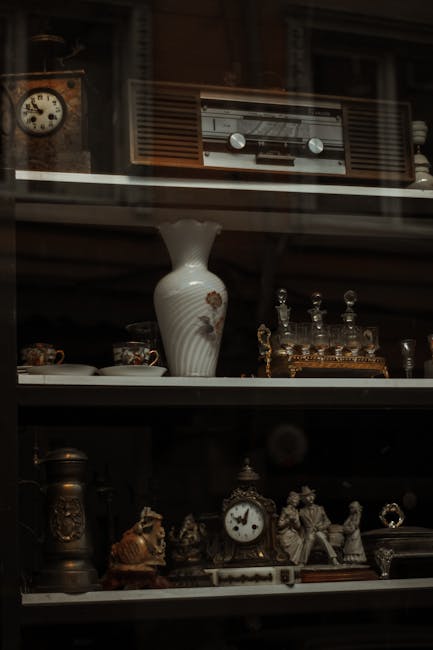
![A close-up view of an ornate antique clock with a white dial and decorative gold detailing, positioned on a wooden surface among several large ceramic vases featuring intricate floral patterns in red, black, and white. The clock is surrounded by other decorative objects, including a white ceramic lamp and additional vases in a setting that appears to be inside a shop or storage area for household antiques. The image captures the detailed craftsmanship of the clock and vases, with some reflections and soft lighting highlighting the textures and finishes. This scene relates to the process of home relocation or furniture transport, as [COMPANY_NAME], such as Man with Van Mayfair, often handles the careful packing and moving of valuable and delicate items like antiques during house removals or relocation services in Mayfair.](/pub/blogphoto/moving-bulky-antiques-in-mayfair-without-damage1.jpg)
Why Moving Bulky Antiques in Mayfair Without Damage Matters
Antiques are rarely replaceable in the ordinary sense. Even when a piece has a market value, its real value may be sentimental, historical, or tied to a collection that has taken years to build. A scratched veneer, chipped carving, loose joint, or cracked marble top can reduce that value immediately. Sometimes dramatically. And sometimes the damage is subtle enough that you only notice later, which is worse in a strange way because the move is over and the regret has settled in.
Mayfair adds another layer. The area is known for elegant period buildings, mews homes, mansion flats, and high-end interiors. Those beautiful buildings can be awkward to move through. Door widths are not always forgiving. Lifts may be small. Stairwells may twist. External access can be limited. A bulky antique that looks straightforward in a showroom can become a completely different challenge once it needs to pass through a listed doorway or a narrow landing.
That is why the job is not just transportation. It is risk management. It means measuring, protecting, planning the route, and choosing the right number of people for the lift. It also means understanding when a piece should be dismantled, when it should be wrapped in breathable materials, and when it should be moved upright rather than flat. For broader moving support in the area, the local removals in Mayfair page gives a useful overview of service options.
There is another point, too. Damage often happens in the final five minutes: a doorway that is just a bit too tight, a careless turn on a staircase, a quick shift because someone is rushing. To be fair, most serious antique damage is not caused by bad luck. It is caused by underestimating the job.
How Moving Bulky Antiques in Mayfair Without Damage Works
A safe antique move follows a simple logic: assess, protect, lift, move, and place. That sounds obvious, but the quality is in the detail. Each stage reduces the chance of impact, pressure damage, or strain on weak joints.
1. Assessment before movement
The piece should be looked at closely. Is it solid wood, veneered, marble, glass, or a mixed-material item? Are there loose handles, old repairs, fragile feet, or decorative elements that protrude? Does it come apart? Is the base heavier than the top? These details matter because antique furniture rarely behaves like modern flat-pack furniture. It may not be perfectly balanced, and it may have hidden weakness in its frame.
2. Measurement and route planning
Measure the item, then measure the route. Not just the front door. Measure stair turns, lift openings, hallway pinch points, and any sharp corners. In Mayfair, this is often where the real challenge lies. A console table that fits in the van may still get stuck halfway through a townhouse stairwell. A simple tape measure can save a stressful, noisy, and expensive mistake.
3. Correct protection materials
Heavy blankets, furniture pads, corner guards, stretch wrap used with caution, foam, and straps all have a role. The goal is to cushion the item without trapping moisture or rubbing against delicate finishes. Old polish, gilding, lacquer, and hand-painted details need a gentler approach than newer furniture. Sometimes the right decision is to use more padding, not tighter wrapping.
4. Controlled lifting and carrying
Bulky antiques should never be hauled in a hurry. The weight must be shared properly, with one person directing the move and others maintaining steady, even pressure. Good communication matters. So does knowing when to stop and reset rather than forcing the piece through a tight angle. A short pause can prevent a long repair.
5. Secure transport
Once loaded, the item must be secured so it cannot shift during braking or cornering. The van bed, straps, padding, and loading order all matter. The safest transport is usually one where the antique is immobilised, not just squeezed in among other items. If you are arranging transport only, a properly equipped removal van in Mayfair can make a noticeable difference.
In short: safe antique moving is a controlled process, not a lifting contest.
Key Benefits and Practical Advantages
Doing the job properly gives you more than peace of mind. It protects the object, reduces disruption, and can save money that would otherwise go into repairs or restoration.
- Lower risk of cosmetic damage such as scuffs, dents, chips, and finish wear.
- Less structural stress on joints, legs, veneer, and decorative trims.
- Better safety for people involved because bulky antiques can be awkward and unpredictable.
- Smoother access through tight properties, especially in Mayfair flats and period homes.
- More control over timing, which helps avoid rushed lifting or blocked access.
- Improved confidence for collections and heirs where the emotional value is high.
There is also a practical benefit that people do not always mention: a well-handled antique move tends to be calmer. Fewer raised voices. Fewer "careful, careful!" moments. Fewer last-minute improvisations. That sounds small, but if you have ever stood on a narrow landing with a heavy cabinet and no easy turn, you will know calm is not a luxury.
Where antiques are part of a wider house move, good planning often supports the rest of the schedule too. Services such as house removals in Mayfair or flat removals in Mayfair can be tailored around fragile items instead of treating everything as a standard load.
Who This Is For and When It Makes Sense
This kind of move is not only for collectors. In practice, it helps a lot of different people.
- Homeowners moving a few large antiques from one Mayfair property to another.
- Interior designers and decorators handling statement pieces for a client.
- Estate executors and family members managing inherited furniture.
- Landlords and property sellers clearing or repositioning bulky pieces before viewings.
- Gallery or showroom owners moving valuable display furniture.
- Anyone with unusually heavy, fragile, or awkward furniture that needs specialist handling.
It makes sense to treat the move as specialist work if any of the following apply:
- The piece has delicate veneer, inlay, carving, ormolu, marble, or glass.
- The item is too large for a single person to hold safely.
- The property has a narrow staircase, awkward turn, or a small lift.
- The item is valuable enough that repair would be costly or impossible.
- The piece may need partial dismantling before it can move.
For some readers, the immediate next step is simply to understand service scope. If that sounds like you, the broader services overview is a useful place to start before requesting a quote.
Step-by-Step Guidance
Here is a practical way to approach the move without losing your nerve halfway through. Not every move needs every step, but this is a solid framework.
- Inspect the antique carefully. Look for loose joints, unstable feet, cracked panels, old repairs, and decorative parts that may snag. If the item creaks when moved slightly, take that seriously.
- Photograph the piece before the move. Do this from several angles. It helps you track condition before and after, and it is useful if you need to discuss any issue later.
- Measure the item and the route. Confirm height, width, depth, and any protrusions. Then measure doors, stair turns, corridors, and lifts. If the route is tight, do not guess. Guessing is how people end up sideways in hallways.
- Decide whether to dismantle. Sometimes removing legs, shelves, glass panels, or detachable tops is the safest option. Only do this if it can be done without damaging original fittings or finish.
- Prepare protective wrapping. Use soft blankets, corner guards, and padding suitable for the material. Avoid anything abrasive or sticky on delicate surfaces.
- Clear the route in advance. Take away rugs, ornaments, floor lamps, and anything else that could catch a foot or a strap.
- Lift with a team, not with ego. One person should call the movement. Keep the lift smooth and the pace controlled.
- Load the van carefully. Place the antique where it will not shift. Use straps and stabilising pads. Do not stack random items around it.
- Unpack and place it slowly. Even when you arrive, the job is not finished. The final placement matters just as much as the first lift.
If storage is part of the plan because the property is not ready yet, consider storage in Mayfair so the item is kept secure rather than left in a cramped room or temporary hallway.
Expert Tips for Better Results
These are the small things that tend to make the biggest difference. They are not glamorous, but they save headaches.
- Move antiques in daylight when possible. Natural light makes it easier to spot bumps, scratches, and route obstacles. Early morning or mid-morning often works well before the building gets busier.
- Use blankets before wrap. For delicate finishes, a soft layer against the surface is safer than plastic against polish.
- Keep humidity and heat in mind. Wood, veneer, and glue joints can react to extremes, so avoid leaving pieces in a hot van for too long.
- Think in terms of angles, not just weight. Many bulky antiques fail at the corner, not in the straight line.
- Prepare the destination room too. If the antique is going into a new living room or dining room, make sure the final space is clear before the item arrives. It prevents rush and friction.
- Use a proper wrap-and-route check. A good mover will often confirm the route twice: once on paper, once at the property. Sensible. Reassuring, even.
One more thing. If the piece has family history attached to it, tell the mover. That changes the tone of the job. People handle "valuable furniture" differently from "my grandmother's cabinet that has moved with three generations." And rightly so.
For readers comparing flexible local support, a man with a van in Mayfair can work for smaller, carefully planned antique moves, while a larger or more delicate load may suit a more fully managed removal company in Mayfair.
Common Mistakes to Avoid
Most damage is preventable. The same mistakes come up again and again, usually because the move looked easy until it was half way down the stairs.
- Skipping measurements. If the item only just fits, it does not fit comfortably. That extra inch matters.
- Using the wrong wrapping material. Sticky or rough materials can mark delicate finishes.
- Assuming antique equals fragile in the same way. Some antiques are solid as anything, others are only stable because they have been left alone for decades. You need to know which is which.
- Forcing the item around a corner. If the angle is wrong, stop and rethink it.
- Understaffing the move. Two people may be enough for a small side table, but not for a large armoire or marble cabinet.
- Loading the van badly. A piece can be damaged in transit even when the lifting is perfect.
- Rushing the final placement. This is where polish gets scratched and feet get chipped. Funny how the last few feet are the most dangerous.
A practical note: if you are also arranging other furniture at the same time, keep the antique move separate from the bulk of the load. Mixing everything together in a single frantic run is rarely the neatest option.
Tools, Resources and Recommendations
You do not need a warehouse full of specialist gear, but the right tools make the process much safer.
| Tool / Resource | What it does | Why it helps with antiques |
|---|---|---|
| Soft moving blankets | Cushions surfaces during handling and loading | Protects polish, veneer, and carved details |
| Corner protectors | Covers sharp or vulnerable edges | Reduces chip and knock risk in tight spaces |
| Straps and tie-downs | Secures items in the van | Prevents movement during transport |
| Furniture sliders or dollies | Helps move heavy pieces over short distances | Reduces strain and floor marking |
| Measuring tape | Checks dimensions and clearances | Essential for planning tight Mayfair routes |
| Condition photos | Records the pre-move state | Useful for tracking any changes or disputes |
Beyond the tools, good support matters. If you want help with wrapping, padding, and preparing the item properly, packing and boxes in Mayfair can be part of the solution, especially when antiques need more than a simple blanket wrap.
It is also worth checking practical matters like payment terms and service expectations in advance. The pages on pricing and quotes and payment and security help set sensible expectations before moving day arrives.
Law, Compliance, Standards, or Best Practice
For a move like this, the most relevant issue is not usually a single law. It is professional best practice, duty of care, and sensible handling standards. In the UK, movers are generally expected to work safely, avoid preventable damage, and handle goods with reasonable care. If an antique move involves stairs, lifting, and shared access areas, the practical safety obligations become very real very quickly.
That is why clear communication, safe lifting technique, suitable equipment, and insurance awareness matter. A reputable mover should be able to explain how they protect items, what happens if access is harder than expected, and how they approach higher-value pieces. If you are choosing a provider, it is fair to ask about their insurance and safety approach before booking.
It is also sensible to review the provider's operational commitments. The pages for health and safety policy, terms and conditions, and complaints procedure can help you understand how issues are handled if something does not go to plan. Nobody wants that, obviously, but it is reassuring to know the basics before you start.
Where sustainability is part of your decision-making, it may also help to look at the company's recycling and sustainability approach, especially if old packing materials or other contents need to be managed responsibly during a bigger move.
Options, Methods, or Comparison Table
Different antiques and different properties call for different approaches. Here is a straightforward comparison to help you decide what is most suitable.
| Method | Best for | Pros | Limitations |
|---|---|---|---|
| DIY with helpers | Small-to-medium heavy items with simple access | Lower upfront cost, flexible timing | Higher risk if the item is valuable, awkward, or fragile |
| Man and van support | Moderate-sized antiques and short local moves | Practical, efficient, often good for local access jobs | May not be ideal for the most delicate or complex items |
| Specialist removal service | Large, ornate, or high-value antiques | Better planning, more handling care, more suited to tricky access | Usually costs more than basic transport |
| Storage-first approach | Moves with timing gaps or renovation delays | Reduces pressure to place the item immediately | Needs secure, dry, suitable storage conditions |
The best method is not always the cheapest. It is the one that matches the value of the piece, the difficulty of access, and the amount of risk you are comfortable taking on.
Case Study or Real-World Example
Imagine a client in a Mayfair mansion flat needs to move a heavy antique display cabinet into a different property a few streets away. The cabinet has glass panels, a carved top, and a base that does not detach cleanly. The route includes a narrow corridor, one bend that turns sharply near the kitchen, and a lift that is just slightly smaller than you would like. Of course it is.
The move begins with a condition check and photos. The cabinet is assessed for loose glass fixings and minor wear on the base. The route is measured. The team decides not to force the item through the lift on a gamble. Instead, the glass panels are protected, the cabinet is padded thoroughly, and the move is carried out with two lifters plus one person guiding the corners. At the van, it is strapped upright and isolated from other items. At delivery, the destination room is already cleared, so there is no delay or awkward shuffle once the cabinet arrives.
Result? No damage, no rushed turns, no wall scuffs. The client may still have felt a bit tense at the start, naturally, but the job stayed controlled because the plan was better than the panic. That is usually the real difference between a good antique move and a risky one.
For comparable support on smaller or more straightforward local jobs, some customers also choose a man and van in Mayfair when the item list is limited and the access is manageable.
Practical Checklist
Use this checklist before the move starts. It is plain, but it works.
- Confirm the antique's dimensions, weight, and condition.
- Photograph the item from multiple angles.
- Check whether any parts can be safely detached.
- Measure doors, stairs, hallways, and lift openings.
- Clear the route at both the collection and delivery properties.
- Prepare soft blankets, padding, straps, and corner protection.
- Assign one person to direct the move.
- Keep hands clear of pinch points and tight turns.
- Load the van so the antique cannot move in transit.
- Confirm the destination room is ready before unloading.
- Inspect the item again after placement.
- Keep notes of any concerns or visible pre-existing marks.
Key takeaway: if the piece is bulky, fragile, valuable, or awkward in any combination, the safest route is almost always the most planned one. Not the fastest. Not the most hopeful. The most planned.
Conclusion
Moving bulky antiques in Mayfair without damage is absolutely possible, but it rewards careful work. The best outcomes come from proper measurements, thoughtful protection, steady handling, and a calm understanding of how period properties behave. A heavy antique is not just an object. In many homes, it is part of the story of the place. That deserves care.
Whether you are moving one cherished cabinet or several oversized pieces, the main thing is not to let a beautiful object become an anxious one-day problem. Plan the route, protect the finish, respect the weight, and choose support that matches the item rather than the other way around. A little patience goes a very long way here.
If you are preparing a move and want a sensible starting point, explore the relevant service pages, review the support details, and decide what level of help fits your situation. Then, when the time comes, you can move with a bit more confidence and a lot less stress. And that, truth be told, is worth quite a lot.
Get a free quote today and see how much you can save.
![A close-up view of an ornate antique clock with a white dial and decorative gold detailing, positioned on a wooden surface among several large ceramic vases featuring intricate floral patterns in red, black, and white. The clock is surrounded by other decorative objects, including a white ceramic lamp and additional vases in a setting that appears to be inside a shop or storage area for household antiques. The image captures the detailed craftsmanship of the clock and vases, with some reflections and soft lighting highlighting the textures and finishes. This scene relates to the process of home relocation or furniture transport, as [COMPANY_NAME], such as Man with Van Mayfair, often handles the careful packing and moving of valuable and delicate items like antiques during house removals or relocation services in Mayfair.](/pub/blogphoto/moving-bulky-antiques-in-mayfair-without-damage3.jpg)