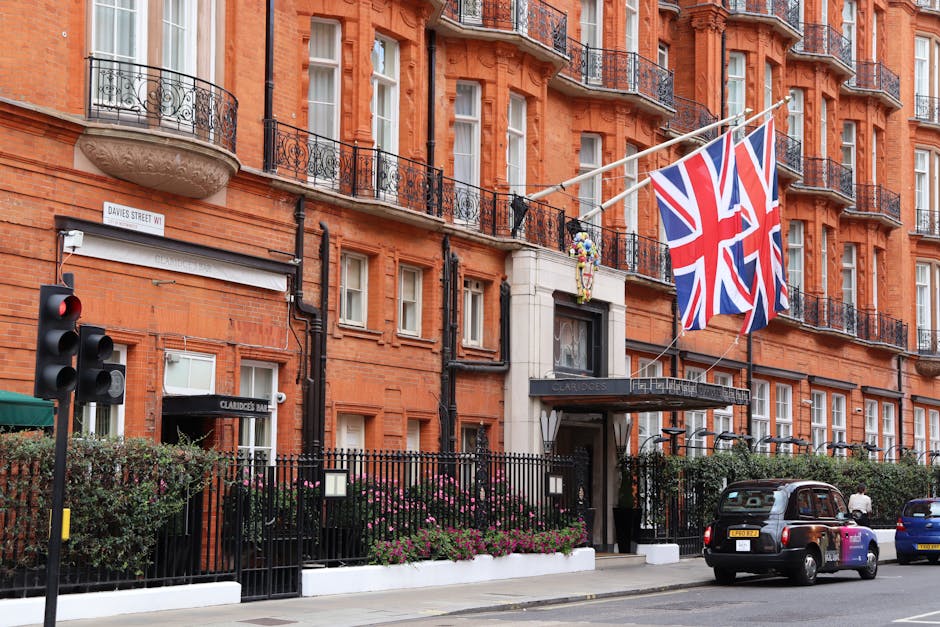
Savile Row & Dover Street Moves -- Mayfair Specialists
Posted on 22/05/2026
Savile Row & Dover Street Moves -- Mayfair Specialists
Moving on Savile Row or Dover Street is not quite like moving anywhere else in London. The streets are elegant, busy in their own quiet way, and full of property types that demand more care than a standard curbside pickup. If you need Savile Row & Dover Street Moves -- Mayfair Specialists, you are usually looking for a team that understands tight access, discreet handling, premium interiors, and the simple fact that timing matters. A late arrival in Mayfair can throw the whole day off. A rushed loading plan can do far worse.
This guide explains what specialist Mayfair moving support involves, why it matters in these streets, and how to plan a move without the usual stress. You will also find practical advice on comparing services, avoiding expensive mistakes, and choosing the right level of support for homes, offices, and furniture-heavy relocations. If you are still exploring the wider service picture, it may help to start with the site's services overview or compare removals in Mayfair before making a decision.

Why Savile Row & Dover Street Moves -- Mayfair Specialists Matters
Savile Row and Dover Street sit at the sharp end of Mayfair moving logistics. The area blends period buildings, high-value interiors, boutique offices, galleries, tailored retail, and apartments where a badly planned move can feel like trying to fit a piano through a letterbox. Not impossible, but not something you want to improvise.
A specialist removal approach matters here for a few very practical reasons. First, access is often narrow or constrained. Second, loading and unloading windows may need to be managed carefully to avoid disruption. Third, the contents are often fragile, expensive, awkward, or all three. Think fitted wardrobes, artwork, marble tables, display fixtures, or a single antique chair that somehow seems to weigh more than a small car. Truth be told, that last bit is only a slight exaggeration.
There is also the local context. Mayfair is a place where discretion, presentation, and punctuality are part of the service expectation. If you are moving from a Savile Row office or a Dover Street residence, you usually want a team that behaves like they understand the environment before they even park the van. That means planning ahead, communicating clearly, and respecting the building, the neighbours, and the street.
For readers who want a broader feel for the area itself, the local perspective piece on what makes Mayfair distinct is worth a look. It helps explain why moves here often need a different approach from standard London relocations.
How Savile Row & Dover Street Moves -- Mayfair Specialists Works
The best specialist moves in this part of Mayfair usually follow a simple but disciplined pattern: assess, plan, protect, move, and settle. Nothing flashy. Just a method that avoids the usual chaos.
It begins with a clear survey of what needs moving. That might be a one-bedroom flat, a full townhouse, a creative studio, a boutique office, or a showroom fit-out. The move team should ask about access, parking, stairs, lift availability, fragile items, and the likely volume of furniture and boxes. They should also ask questions that sound almost boring, because boring questions save expensive mistakes later. Where are the keys collected? Is there a service entrance? Can the van stop nearby, or is a carry distance involved?
Then comes packing and protection. In premium Mayfair moves, the standard is usually more than "wrap it in a blanket and hope for the best." Items are commonly padded, wrapped, labelled, and loaded in a sequence that prevents pressure damage. Sensitive items such as mirrors, art, screens, and wood furniture need different handling. If you are still deciding how much packing help you need, the page on packing and boxes in Mayfair is a useful companion.
On the day itself, the crew should arrive prepared. That means the right size vehicle, suitable tools, protective materials, and a loading strategy that fits the route and the building layout. In some cases, a smaller vehicle or a man with a van in Mayfair setup is enough. In others, especially for larger homes or office relocations, a more structured team is a better fit.
The final step is placement and check-off. A good move does not end at the kerb. It ends when items are where they should be, the property is left tidy, and everyone knows what went where. Sounds basic. It is basic. But you would be surprised how often this bit gets rushed.
Key Benefits and Practical Advantages
Choosing a specialist for Savile Row and Dover Street moves is not just about convenience. It can change the whole experience from reactive and stressful to calm and controlled.
- Better handling of valuable items: Mayfair properties often contain furniture, fittings, or artwork that need careful wrapping and loading.
- Less disruption: A local-aware move team can plan around access, building rules, and timing constraints more effectively.
- Fewer delays: When the vehicle size and crew are matched to the job properly, you avoid the classic "we need a second trip" headache.
- More discreet service: Important for offices, private residences, and client-facing businesses along Savile Row or Dover Street.
- Lower risk of damage: Good padding, lift handling, and route planning reduce the chances of scratches, knocks, and avoidable mishaps.
One of the less obvious benefits is emotional, not logistical. A well-run move simply feels better. You are less on edge. You are not standing in a hallway wondering whether the sofa is going to make the turn. You can think clearly, and that matters when you are juggling keys, contracts, utilities, and the rest of the moving day puzzle.
If your move relates to a change of home rather than just transport, the local guidance on selling homes in Mayfair can also help frame the timing and expectations around handover day.
Who This Is For and When It Makes Sense
This kind of specialist service is a strong fit for several types of moves. It is not only for large houses with grand staircases, although those certainly benefit from it.
- Residents moving within Mayfair: A short move can still be complex if access is tight or furniture is delicate.
- People relocating into or out of Savile Row: Especially when there are offices, showrooms, or mixed-use buildings involved.
- Businesses on Dover Street: Creative firms, design studios, and high-end office spaces often need careful scheduling and minimal downtime.
- Landlords and property managers: When a quick turnaround matters and the next occupant is waiting.
- Students and young professionals: Less common on these streets, but if you are moving from a nearby flat, a more compact service may be all you need. The page on student removals in Mayfair is useful if your move is smaller and budget-sensitive.
So when does it make sense to choose a specialist rather than a generalist? Usually when any of the following apply: tight access, fragile possessions, multiple floors, valuable furniture, shared entrances, or a building manager who expects everyone to follow the rules without fuss. If you are nodding along, yes, this is probably for you.
For some readers, a smaller, flexible approach is enough. For others, especially those needing house removals in Mayfair or office removals in Mayfair, a more fully managed service can save time and mental energy.
Step-by-Step Guidance
Here is a practical way to approach a Savile Row or Dover Street move without drifting into last-minute panic mode.
- List everything that is moving. Start with furniture, then add boxes, art, electronics, and special items. Be honest. A half-written inventory is where surprises breed.
- Check access carefully. Note stairs, lift size, corridor width, loading restrictions, and whether a vehicle can stop close by.
- Choose the right move type. Decide whether you need full removals, a smaller van service, packing support, or storage.
- Ask for a clear quote. The quote should reflect the actual scope, not just a vague guess. If you want to understand the process better, the pricing and quotes page is a good reference point.
- Prepare fragile and high-value items. Keep documents, jewellery, passports, and essentials separate.
- Confirm the move day details. Arrival time, contact names, parking arrangements, and building instructions should be locked in before the day.
- Label rooms and priority items. Clear labels save time at the destination. "Kitchen - open first" is a small note that can make a big difference.
- Walk through the property at the end. Check for left-behind items, confirm furniture placement, and make sure access areas are left tidy.
In our experience, the best moves are the ones where everyone knows the plan but nobody feels rushed. That combination is hard to beat.
Expert Tips for Better Results
A few small decisions can make a surprisingly large difference. These are the kinds of things people only learn after a move or two, so let's save you the trial-and-error part.
- Use proper packing materials for furniture: Soft wrapping for polished wood, corner protection for tables, and clear labelling for dismantled parts.
- Photograph valuable items before the move: Not because you expect trouble, but because it is useful evidence of condition and positioning.
- Keep a "day one" box separate: Charger, kettle, basic tools, toiletries, tea bags, and a change of clothes. That box is the hero of the move. Always.
- Reserve storage if timing is uncertain: If keys, refurbishments, or completion dates are not perfectly aligned, storage in Mayfair can reduce pressure.
- Book the right vehicle size: Too small and you waste time; too large and you may complicate access. Balance matters.
- Ask about insurance and handling practices: A trustworthy mover should be comfortable discussing insurance and safety in plain English.
Another small tip: if you are moving from a property with expensive flooring or tight corridors, say so early. It helps the crew bring the right protection. It is a tiny detail, but tiny details are what make premium moves feel premium.

Common Mistakes to Avoid
Most move problems are not dramatic disasters. They are avoidable little things that build up. That is the annoying part, really.
- Leaving access planning too late: A great removal team still needs to know how to get in, where to park, and what they are working around.
- Underestimating the volume: People often forget how many boxes and loose items they have until the last night. Suddenly there are more belongings than anyone predicted.
- Not flagging awkward items: Large mirrors, pianos, sculptures, and oversized desks need specific handling. If you need more support with specialist pieces, the piano removals and furniture removals pages are both relevant.
- Choosing on price alone: Cheapest is rarely best in a high-value area where time and care matter.
- Skipping the post-move check: If you do not confirm what was delivered and where, small issues can linger.
- Ignoring building rules: Some buildings are strict about lift use, protective coverings, or moving hours. Best to ask first, not apologise later.
There is also a softer mistake: assuming "it's only a short move" means it will be easy. In Mayfair, short distances can still involve complex logistics. A move from one street to the next can take more coordination than a longer suburban job. Weird, but true.
Tools, Resources and Recommendations
A strong move needs more than good muscle. The right tools and information make the day smoother and safer.
Useful tools and materials include:
- double-wall boxes for heavier household items
- wardrobe boxes for clothing that should stay hanging
- bubble wrap, furniture blankets, and corner protectors
- tape, labels, and marker pens
- trolley or sack truck for heavier items
- floor and stair protection where required
Useful pages to review before booking:
- removal services in Mayfair for a general service breakdown
- removal companies in Mayfair if you are comparing options
- man and van in Mayfair for lighter or quicker relocations
- removal van hire in Mayfair if you need flexible transport support
- about us to understand the service approach and values
If your move is tied to a property sale, a lease change, or an upgrade, the local property guides can help you think ahead. The posts on whether Mayfair is ideal for living and smart Mayfair investment give useful context around the kinds of homes and timelines people are working with.
Law, Compliance, Standards, or Best Practice
For removals in Mayfair, the exact legal and operational details can vary by property type, building management rules, and the service you choose. So it is sensible to treat compliance as a practical checklist rather than a one-size-fits-all rulebook.
Good practice usually includes:
- clear pricing and transparent terms before the move
- appropriate handling of personal data and keys
- reasonable care for walls, floors, lifts, and communal areas
- confirmation of insurance cover relevant to the job
- respect for site rules, access restrictions, and building management instructions
It is also worth checking service terms, cancellation conditions, and payment arrangements in advance. The pages on terms and conditions and payment and security can help you understand how a provider handles the practical side of booking.
For safety-related concerns, especially on busy streets or around heavy items, reviewing the company's health and safety policy is a sensible step. If you are the kind of person who likes to know what happens if something goes wrong, the complaints procedure is worth reading too. Not because you expect issues, but because clarity is reassuring.
Options, Methods, or Comparison Table
Not every move on Savile Row or Dover Street needs the same setup. Choosing the right method depends on size, access, urgency, and the level of care required.
| Option | Best for | Strengths | Watch-outs |
|---|---|---|---|
| Man and van | Small flats, light office loads, short-distance moves | Flexible, cost-conscious, quick to arrange | May be less suitable for bulky or fragile items |
| Full removals service | Homes, offices, larger furniture loads | More structured, better for complex moves | Needs more planning and a clearer brief |
| Packing support add-on | Busy households, delicate items, time-poor clients | Reduces stress, improves protection | Requires early scheduling |
| Storage-first approach | Staggered moves or uncertain completion dates | Useful buffer, less pressure on move day | Needs good labelling and inventory control |
For many Mayfair clients, the decision is not "Which is best in general?" It is "Which is safest and cleanest for this specific property, this week, with these access constraints?" That is the more useful question, and honestly the one people should ask first.
Where timing is tight, a same-day removals option may be appropriate, but only if the access, packing, and vehicle requirements are realistic. Same day is convenient. It is also unforgiving if the basics are not ready.
Case Study or Real-World Example
Imagine a small design studio moving from Dover Street to a nearby Mayfair address. The team has display shelving, boxed samples, a few desks, artwork, and a large mirror used for client presentations. Nothing outrageous, but enough to need care.
The move starts with a quick survey the week before. The crew checks where the van can stop, whether the building lift is available, and which items need extra wrapping. On the day, the mirror is protected first, then the desks are dismantled, then the samples and boxed files are loaded in a sequence that keeps the fragile pieces on top. One person labels the destination rooms while another confirms the office layout with the client. Not glamorous. Very effective.
What made the difference was not brute force; it was planning. The move finished on time, the office reopened the same afternoon, and nobody spent the evening hunting for missing screws in the bottom of a box. Small victory, but a real one.
For a slightly larger local context, the piece on Berkeley Square moves shows how the same Mayfair principles apply across nearby streets: access awareness, care, and a calm process.
Practical Checklist
Use this before moving day. It is plain, simple, and annoyingly helpful.
- Confirm your move date, arrival time, and contact details
- Check lift access, stairs, parking, and building rules
- Separate valuables, documents, and essentials
- Label boxes by room and priority
- Measure awkward furniture and doorways
- Book packing support if you need it
- Ask about insurance and handling procedures
- Confirm whether you need storage
- Prepare a day-one box with essentials
- Walk through the property at the end and check every room
Expert summary: the smoothest Savile Row and Dover Street moves are rarely the flashiest. They are the ones where the quote is clear, the access plan is realistic, the packing is decent, and the crew knows exactly what kind of Mayfair environment they are walking into.
Conclusion
Savile Row and Dover Street demand a more thoughtful approach than a typical local move. The buildings are often valuable, the streets are busier than they look, and the details matter more than people expect. That is why specialist support is so useful. It brings structure to what could otherwise become a complicated day with too many moving parts, literally and otherwise.
If you take nothing else from this guide, take this: plan access early, match the service to the property, and do not assume premium moves can be rushed. When you do those things well, the whole experience gets easier. Calmer too. And that counts for a lot on a move day in Mayfair.
Get a free quote today and see how much you can save.
If you are comparing options, reviewing the Mayfair removals service pages and the practical support details above is a sensible next step. A good move is not just about getting items from A to B; it is about making sure the day feels controlled, respectful, and finished properly. That little bit of peace of mind goes a long way.